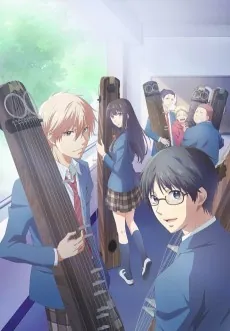
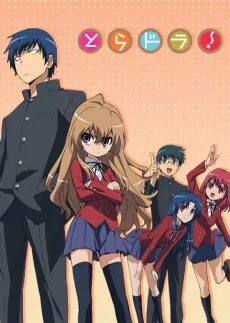
The show treats fitting in like a real problem instead of something to overcome in a montage. Every conversation reveals why these characters perform the versions of themselves they think the world wants, not because the script needs plot, but because that's what people actually do. By the second half the pacing stumbles, but by then you've stopped watching for story beats and started watching because you recognize yourself in someone who's still learning how to be honest.
Tomozaki's social experiment continues. Thanks to coaching from Aoi Hinami, his popular classmate and his rival in the online game Attack Families, the expert gamer is now doing far better at the game of life. As summer break ends and a new term begins, Aoi reminds him of his two big goals: become well liked by his peers and get a girlfriend. Those plans go on pause when his innocent friend Hanabi Natsubayashi becomes the target of bullying, a problem Aoi seems out of touch with. This time Tomozaki is not alone, since he has a circle of loyal friends set on helping Hanabi so they can all enjoy their youth together. The second season mixes comedy, drama and romance with everyday school life.
WHERE TO WATCH
Streaming Bottom-Tier Character Tomozaki 2nd Stage legally, as of the last catalog refresh. Availability changes by region.
CrunchyrollBilibili TV