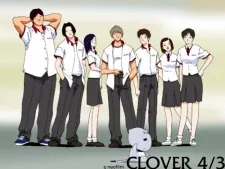
Anime Like Clover 4/3
2000 · ONA · 24 eps · 3 min/ep · PG-13 - Teens 13 or older
Ranked #16,177 · 809 members
Drama
// SYNOPSIS
Seven outcast seventeen-year-olds, four girls and three boys, share their lives and struggles with you, the protagonist, in Studio Kaab's first work, an interactive drama animation. Among them is a girl who is younger than her body makes her look and a boy who would sooner throw punches than shake hands. The title draws on the four-leaf clover, a mutant among ordinary three-leaf plants that is still said to bring luck, and treats these abnormal teens the same way.
TAGS
SchoolKuudere
// WATCH.NEXT
IF YOU LOVED CLOVER 4/3, WATCH THESE NEXT




not sure what you're in the mood for? browse 40 house lineups.


