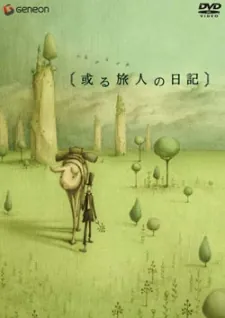
This one doesn't entertain you, it sits on your chest. Yamamura built it out of 32 magazine cover illustrations and their short texts, and he refuses to stitch them into a plot, so what you get instead is a narrator whose memory is admittedly fragmented, wandering Norths that are all the same North, all of them solitary. The man who made Mt. Head is not interested in your comfort: figures drift through dull, shape-shifting pain, and the film treats that as the most accurate depiction of being alive it can manage. It's slow because slow is the point, and the vignette structure means the second watch rearranges everything you thought the first one meant. Fair warning, plenty of viewers bounce off it hard, because there's nothing here to hold onto but feeling. If you've ever caught yourself wondering whether the effort came to nothing, you already speak this language.
A narrator records the people met across many places, each of them called North, a word that stands for solitude everywhere. That memory is fragmented, and the record keeps missing its own point. A sense of futility creeps in as the narrator wonders whether the effort has come to nothing, sensing the world only now and then through a dull pain that slowly changes shape. The film grew from Koji Yamamura's cover illustrations and short texts for 32 issues of the literary magazine Bungaku-Kai, each cover imagined as one scene of a larger story. The result is a psychological fantasy about solitude and memory, made jointly by Yamamura Animation in Japan and Miyu Productions in France.