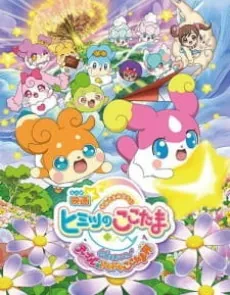
A kid watches her Cocotama guardians work as actual gods, learning that saving something broken matters more than buying something new. The movie doesn't preach about consumption; it shows you why a person would fight to keep an old toy alive. Tepple's stowaway desperation grounds the whole thing, this isn't about teaching kids to recycle, it's about the ache of letting go.
Kokoro's school joins with another school to hold a bazaar where families can sell or rehome used items they no longer need. On the way home, Elder Tama tells her that she and her Cocotama friends have won a trip to the Cocotama World, where they watch full-fledged Cocotama gods at work. Elder Tama asks Kokoro to help people see the worth of their belongings instead of throwing them away so readily. Trouble starts when Tepple, who slipped into the Cocotama World with the group, takes the key acorn that opens the Happy Tree, home of the Happy Stars that power the world's magic. Mushrooms born from sadness are sprouting on discarded items and giving off negative energy, and when Tepple uses the acorn, darkness and mushrooms spread while Happy Stars spill into the human world. Kokoro and the Cocotama must heal Tepple's heart before the darkness swallows the human world.