
Anime Like Film Address "Ethicization of Politics" by Shinpei Goto, 1926
Eigaenzetsu Seiji no Rinrika Gotou Shinpei 1926
MOVIE · 1 eps · 32 min/ep · G - All Ages
AniList 37/100 · MAL 4.9/10 · Ranked #14,652 · 681 members
// SYNOPSIS
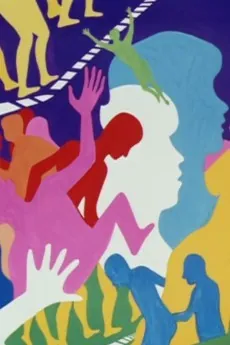
Shinpei Goto, a cabinet member during the Taisho period, lays out his political ideas in a 1926 address delivered through film instead of from a podium. A series of animations and quotations carries his argument for putting politics on an ethical footing, and an on-screen arrow points out where the viewer should look. The short film shares its title with the original book it is based on.
WHERE TO WATCH
Streaming Film Address "Ethicization of Politics" by Shinpei Goto, 1926 legally, as of the last catalog refresh. Availability changes by region.
Japanese Film ArchivesTAGS
PoliticsAchromaticEducationalShipsMixed MediaHistoricalNo Dialogue
// WATCH.NEXT
IF YOU LOVED FILM ADDRESS "ETHICIZATION OF POLITICS" BY SHINPEI GOTO, 1926, WATCH THESE NEXT



not sure what you're in the mood for? browse 40 house lineups.


