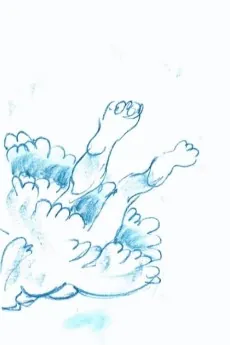
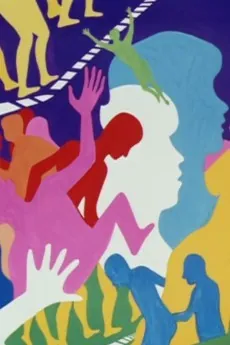
This one rewires how you watch a frame. It takes a Bach fugue and asks whether a shape on screen, a phrase of music, and a beat of story are all secretly the same thing wearing different clothes, then builds the whole film out of that argument. Three Motifs, each unable to recognize itself in the others, each nagged by the same doubt: the music motif can't resist the pull of the melody and dances, and the rest come chasing after. No spectacle, no raised voice, just counterpoint doing the emotional labor that dialogue usually does. Second watch is where it detonates, because once you know the subject you start hearing the answer in the visuals and seeing the fugue in the cuts. Geidai student work that most people scrolled past, and the ones who didn't never shut up about it.
Three distinct beings share a common name: Motif. The deep differences between them leave each one doubting itself. When a melody starts to play, the music Motif cannot hold back the urge to dance, and the others soon join in. But does following make them the same? Are they truly individual, or merely variations of a single concept? The psychological film is built around a fugue by Bach, and it tries to bring together related ideas that appear in different forms: music, visual art and storytelling.
WHERE TO WATCH
Streaming I Am a Motif legally, as of the last catalog refresh. Availability changes by region.
Vimeo