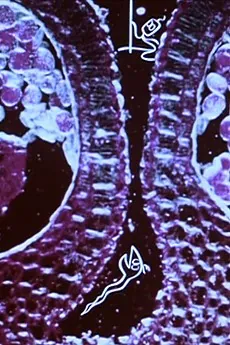
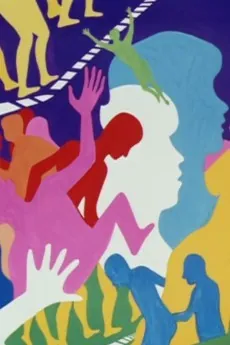
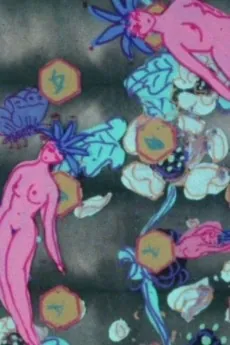
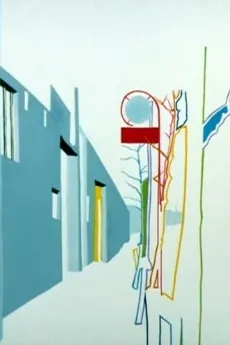
This is a film that operates in silence and stillness, where the smallest shift in color or composition rewires what you thought you were watching. Hiroshi doesn't build worlds, he builds states of mind, each frame a deliberate choice that costs nothing in movement but everything in attention. You either surrender to its pace completely, or the first five minutes tell you to leave. The people who stay recognize it as something closer to meditation than cinema. No spectacle, no redemption, just time passing and changing you as it does.
A man stands at the edge of awareness, caught between moments that refuse to pass. Time fractures around him, bending into loops and fragments that feel both intimate and alien. As reality warps through experimental visual language, the boundary between memory, present, and future dissolves into something ineffable. Jikan operates beyond conventional narrative. Instead of plot, it offers pure sensation: the weight of seconds, the texture of duration, the way consciousness experiences temporal collapse. Each frame builds an atmosphere of profound dislocation, where meaning emerges not from story but from the physical act of watching time become visible. This is cinema that prioritizes psychological texture over explanation. Viewers encounter abstraction, surrealism, and visual experimentation that demands patience and surrender. The film communicates through imagery rather than dialogue, creating an unsettling meditation on how human perception encounters temporality itself. It speaks to those drawn to avant-garde work, to audiences comfortable with ambiguity, and to anyone curious about animation functioning as pure artistic expression rather than entertainment. The experience lingers afterward, leaving questions that refuse easy resolution.