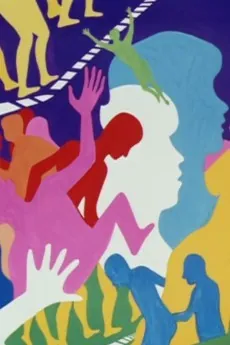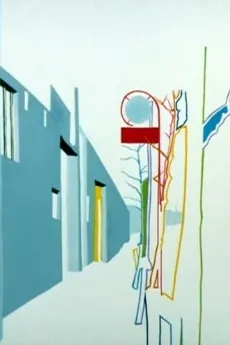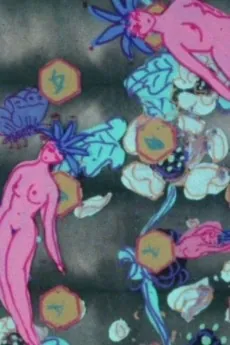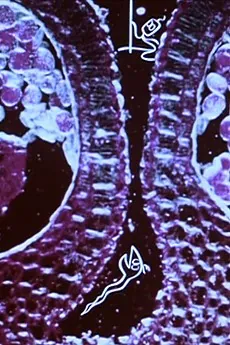
The animation doesn't illustrate an idea, it IS the idea, every frame a deliberate choice that makes you feel the weight of obsession before you understand what you're watching. Manabe builds meaning through pure visual language, the kind of experimental work that either rewires how you see animation or confirms you're not the audience for it. This is cinema made by someone who refused to explain himself, which means you're either chasing the logic alongside him or you're lost.
A figure moves through fragmented spaces, pursued by something unseen. Each frame shifts between realities, bending perspective and logic as the hunter becomes the hunted. Manabe Hiroshi constructs a visual narrative where nothing settles into comfortable certainty. The animation itself becomes part of the threat, with forms dissolving and reforming in ways that unsettle rather than clarify. This experimental work operates on pure atmosphere and visual language, abandoning conventional storytelling for something more abstract and destabilizing. The tension doesn't come from plot but from the relentless momentum of the pursuit itself, the way each cut forces you deeper into an increasingly warped psychological space. What begins as a simple chase transforms into something far more disorienting. By the end, you're left questioning what was real, what was imagined, and whether the distinction ever mattered. It's challenging viewing that demands patience and tolerance for ambiguity, rewarding those willing to sit with discomfort rather than seeking easy answers.