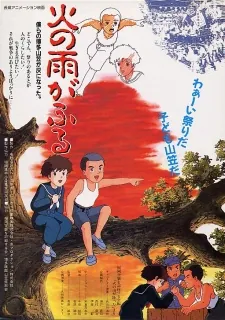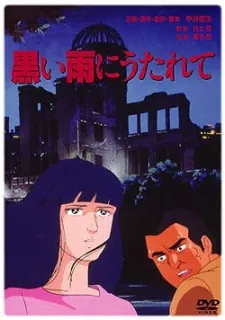
A woman survives Hiroshima only to watch society punish her for it. The film refuses the comfort of redemption arcs or transcendent suffering, it shows what happens when trauma calcifies into rage, when a body that lived becomes a body the world wants to forget. Nakazawa's own resentment bleeds through every frame, turning survivor's guilt into an accusation that lands harder than any explosion ever could.
Years after the atomic bombing of Hiroshima, the people who lived through it still carry deep physical and emotional wounds. Radioactive black rain fell on the city just after the blast, and its effects reach into the second and third generations. The film weaves together the stories of survivors who gather at a bar called Stand Akauma. Takeshi lost his whole family. Tomoko is a prostitute badly burned in the bombing. Her younger brother Junji lives on the margins of society and loves Eiko, a pregnant young woman. Yuri, another prostitute, is set on building a better future for her blind son. Adapted from Nakazawa Keiji's manga, this 1984 drama film shows how the bomb's shadow lingers over those who survived it.