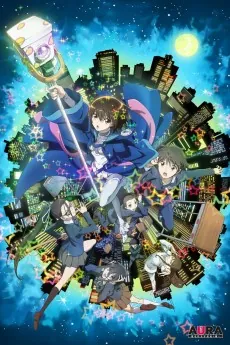
The chunibyo fantasies return in actual animation instead of just narration, which means watching Rikka and Dekomori's delusions play out visually hits different than the main series ever let them. These seven minutes per episode are pure character, no plot padding, because the show trusts that watching two girls be ridiculous together is enough. By the time the intro loop stops bothering you, you realize this is what fans actually wanted: the first season's comedy rhythm without whatever story weight got in the way.
Love, Chunibyo & Other Delusions: Depth of Field - Ai to Nikushimi Gekijou is a set of seven short specials from 2013 that came packaged with the home video release of the first season. The episodes stage a robot battle between Rikka Takanashi and Sanae Dekomori, pairing giant mecha action with the franchise's comedy for a light bonus extra aimed at fans of the series.