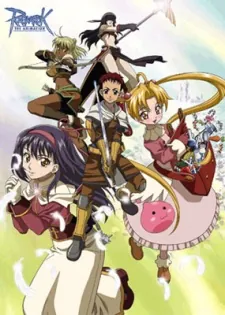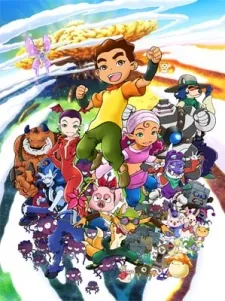
The art commits to the game's bright, almost storybook warmth while everyone around the protagonist blames humanity for a catastrophe it didn't cause. That quiet wrongness, watching a kid prove innocence nobody wants to believe, runs deeper than the story has any right to go. The game fans expecting dungeon runs and job advancement will find something stranger instead: a show about how blame spreads faster than truth, told in watercolor softness that makes the injustice sting more.
A decade of misunderstanding has fractured the world. When the World Tree destroyed itself to escape the Zakum organization, the other races blamed humanity for its loss. Left with nothing, many of them left Victoria for Maple Island, where life grows ever harder, and a war among the races has raged without end ever since. Ten years on, the hero Al resolves to bring the World Tree back to life, and he sets off with his companions in search of its seeds. At the same time, the Zakum resurface. Adapted from the MapleStory online game, the series mixes action and fantasy adventure with comedy and romance.