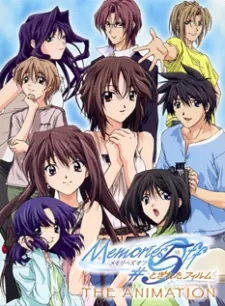
A year after his best friend died, Haruto is still pretending to make movies. Mahiro walks in and says she was there when it happened, and it's her fault. The film is not about solving that or moving past it, it's about what you do when someone hands you their guilt and asks you to carry it with them.
Kawai Haruto joined a cinema club hoping to one day make a film of his own. Since the sudden death of his best friend and rival Hina Yusuke a year ago, his love of filmmaking has been fading. Then he meets Sendo Mahiro, who asks him to make a movie with her. She also tells him that she was there when Yusuke died and that his death was her fault. Meanwhile, Yusuke's younger sister Asuka holds Haruto responsible for her brother's death. The result is a one-episode drama and romance OVA about loss, blame and the urge to create.