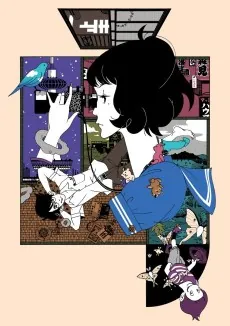
Animation moves at the speed of thought here, compressing a lifetime of questions about memory into five minutes that feel both rushed and inevitable. The film doesn't explain memory so much as enact it, using every frame to show you how unreliable your own mind is the moment you try to hold onto anything. By the end, you're not thinking about the Earth, you're thinking about whether you even remember what you just watched.
A privately made animated short running only about five minutes, this mystery considers memory: how hazy and puzzling it can be, and how it both helps and harms when it idealizes what is real. From that reflection the story widens into an account of humankind's destruction, until the earth's very existence becomes nothing more than something the universe remembers. The brief running time leaves much of its meaning to the viewer's imagination.