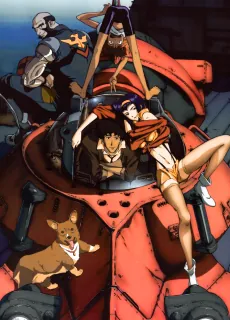
Fusuke assembles scattered war survivors piece by piece, and every one of them lands as instantly likeable because the show refuses to waste time on tragic backstory, it just throws you into the chaos and lets you love them anyway. The comedy hits harder than shows twice its budget because the timing knows when to cut away, and the fight choreography actually breathes instead of screaming. This is 90s anime before everything got weighted down with mythology; it trusts you to care about a simple crew of misfits hunting down the people who erased them from history.
Fusuke looks like a child, but he once led the first Ninku division, a band of warriors who nearly wiped out the Imperial Army before being defeated and scattered. After the war, the army recasts itself as the people's protector through propaganda, blaming the Ninku for starting the conflict. With his mother taken during the fighting, Fusuke sets out to find her. On the road he meets Aicho and Touji, two other former Ninku captains, and together they battle the Imperial Army as it hunts down the last of the Ninku. Other groups also want the clan's powerful secret techniques, and Fusuke, one of its strongest fighters, is their main target.