Nobody talks about this one. A 1936 black-and-white fever dream where Japanese folklore characters wage quiet war against corrupted Western cartoons, told with the deadpan certainty of propaganda that somehow becomes genuinely unsettling. The film moves like a folk tale being recited in the dark, no spectacle, no reassurance, just the slow accumulation of dread as you watch myth confront something that wears a familiar face. It's a historical artifact that feels stranger than anything made to be strange. What it costs is patience with grain and silence, but what it gives back is a window into how a nation saw itself at a moment when everything was about to break.
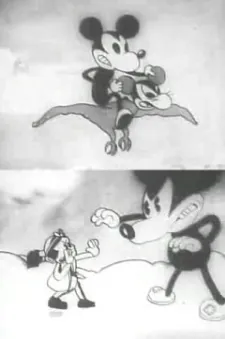
A peaceful island comes under attack from an army of wicked mice riding huge bats, backed by snakes and alligators as their allies. The villagers fight back and save their home from the invasion, aided by legendary figures of Japanese folklore who spring out of a storybook to join the defense. The mouse invaders resemble Mickey Mouse and are cast as villains. The fantasy film is a black-and-white propaganda piece that sets familiar heroes of Japanese tradition against these sinister creatures.