Otaru's marionettes love him so completely it destroys them. They're programmed to obey Faust, programmed to want Otaru, programmed to be perfect, and every single one of them breaks under the weight of choosing between those three things. The show doesn't pretend this is a light comedy problem, it watches them suffer through it anyway, then asks if love that costs this much is still love at all. Late 90s sentimentality could have made this maudlin; instead it lands as genuine tragedy wrapped in bright colors and robot girls trying desperately to smile through it. This is a show that knows its own heart is fractured and never bothers to hide the cracks.
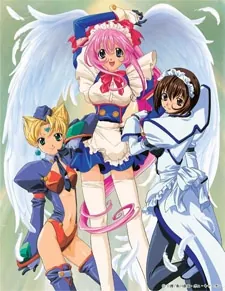
A few months after the Saber Marionette J OVA series, Otaru and his clan of devoted, fiercely attached marionette girls are pulled back into trouble. The villainous Faust has returned and is once again meddling with marionette technology that should have been left alone. The Saber Dolls are back as well, caught between their recent love for Otaru and their lasting loyalty to Faust. Otaru, Lime, Cherry and Bloodberry must try to stop Faust one more time, a sci-fi adventure that mixes action with comedy.