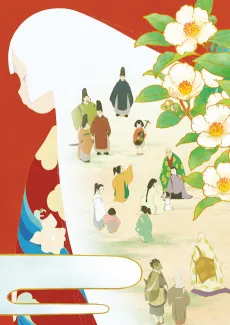
The elegant Heian period you read about in literature is a lie. Katabuchi strips away the silk and shows you Kyoto as it actually was: starving, diseased, abandoned, full of children left to die in the mountains. You watch beauty get buried under plague and human indifference, and the film never flinches away from what that actually costs.
Kyoto, 10th century. The capital writhes under the grip of relentless plague. Bodies clog the gutters while the living scramble for survival in a city transformed into something unrecognizable. Children wander abandoned through mountains. Packs of wild dogs prowl the outskirts, waiting. The elegance traditionally associated with the Heian period dissolves into something far grimmer. The film strips away romanticized notions of classical Japan to show a community fractured by disease and desperation. As death becomes routine and hope grows scarce, ordinary people navigate impossible choices: how to protect loved ones when infection spreads indiscriminately, whether to flee or endure, what remains of dignity when society crumbles. This isn't a tale of heroes or grand historical events. Instead, it's an intimate portrait of resilience amid collapse, following those caught between survival and surrender. The atmosphere is suffocating, grounded in the harsh realities that few historical dramas dare to confront. For viewers drawn to unflinching examinations of human nature under extreme pressure, this delivers a sobering, unforgettable vision.