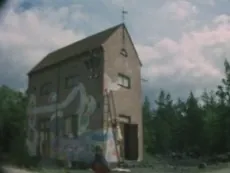
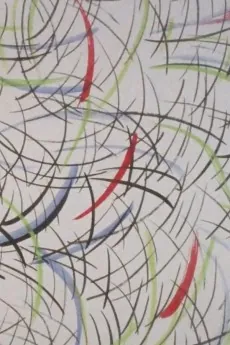
Watching clouds move through a pinhole is meditation pretending to be a movie. The animation doesn't show you what wind looks like, it shows you what wind feels like, smoke and slowness against nothing. You come for the experimental technique. You stay because somewhere in that black void and those swirling shapes, you stop needing plot or character or reason to keep watching.
A pinhole camera captures the sky in fragments, revealing clouds that drift and transform across the frame. These fleeting photographs become the foundation for something stranger: animated wisps that swirl and dance against darkness, following their own logic rather than nature's rules. Wind exists in the space between documentation and dream. What begins as a visual record of weather patterns evolves into something more abstract, where smoke-like forms move with deliberate grace, suggesting emotion rather than physics. The film abandons narrative entirely, instead offering pure sensation: the quiet intensity of watching something intangible take shape before dissolving. This is cinema for those drawn to experimental form, to artists who find meaning in texture and motion rather than plot. It rewards patient viewing, the kind where you stop asking what happens next and start noticing how light behaves, how negative space breathes. The overall effect feels meditative, almost ritualistic, like watching clouds move across a sky that exists only in memory or imagination.