Anime Like #Zombie Sagashitemasu
Thirteen years after the world ended, these kids don't mourn what they never knew. That changes everything about how the show treats survival, loss, and what it means to want something you've never actually had. The premise could be apocalypse-as-backdrop, but instead it makes generational amnesia the center of the story. Aki walks into a dead city looking for answers that the people who lived through Red Day are desperate to keep buried. The zombies aren't the mystery here. The real horror is what the living are willing to do to stay that way.
SYNOPSIS
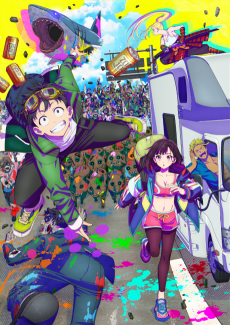
Thirteen years after a plague wiped out most of humanity, the few survivors huddle in remote settlements, watching the cities from a distance. Aki grows up in this new world, where zombies shamble through abandoned streets and the old civilization feels like mythology. When her father vanishes into the urban wasteland, she refuses to let him become another ghost story. Together with her friends Haru and Natsuki, Aki ventures toward the dead zones, searching for answers in a landscape where every corner hides danger. What begins as a personal quest becomes something larger. The three navigate crumbling buildings and zombie-infested streets while uncovering secrets about the plague itself, about who might still be alive in those ruins, and about why some mysteries from before the collapse were never meant to resurface. The tone balances genuine dread with dark humor, letting characters find moments of levity even as death waits around every turn. Expect survival horror that takes its world seriously while never losing sight of the bonds between people determined to find meaning in humanity's ruins.