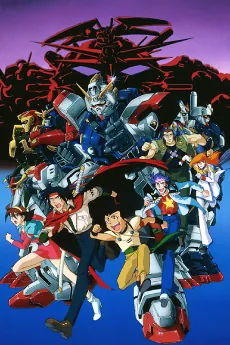
A construction company fighting monsters on a shoestring budget is not a premise, it's permission to make every decision matter. Bullbuster runs on the logic that you solve problems with what you have, not what you wish you had, and that restraint makes the engineering actually feel clever instead of magical. The show treats a repurposed mecha and a broke team like a real obstacle course, not a setback to overcome with plot convenience. It costs something to watch a show that refuses to give its heroes more than they earned.
Mysterious creatures called Kyoujuu are terrorizing an island, driving its residents away from what was once a thriving home. The government has little money for wiping them out, so Tajima buys the last construction company on the island and turns it into Hato Industries, a small outfit that exterminates harmful animals. Young engineer Tetsurou Okino is transferred there along with Bullbuster, a new robot he designed himself. Money is always short at Hato: fuel for the robot and wages for its pilots all have to be counted, and a single wasted shot is not allowed. The company is caught between its ideals of ridding the island of the Kyoujuu and the hard reality of its budget, in a mecha series where every expense matters.
WHERE TO WATCH
Streaming BULLBUSTER legally, as of the last catalog refresh. Availability changes by region.
CrunchyrollYouTube