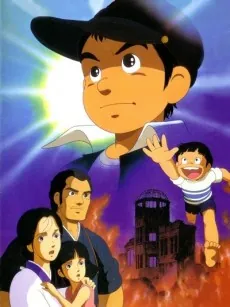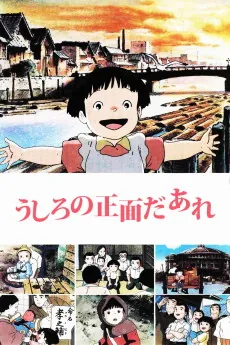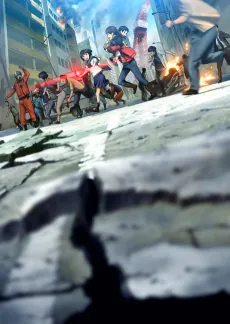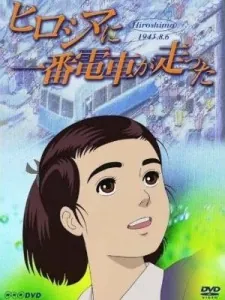
A girl boards the same streetcar every day, and then one day the world ends while she's working. The film doesn't flood you with images of destruction, it locks you inside the ordinary before it becomes unbearable, showing you what was taken through what remains. By the time you understand what this movie is actually doing, you're not watching history from a distance anymore. You're riding that streetcar, and you can't get off. Most films about Hiroshima reach for spectacle or sermon. This one reaches for the person sitting across from you, the one who will never board that streetcar again.
A girl works on a Hiroshima streetcar, riding the rails through the city during the war. Then the atomic bomb falls on Hiroshima, and she keeps working on the streetcar in its aftermath. This film uses one girl's experience before and after the bombing to frame an incomprehensible tragedy, keeping the viewer at ground level rather than at a distance. Her job on the streetcar becomes the single point of continuity between the city she knew and the one left after the blast.