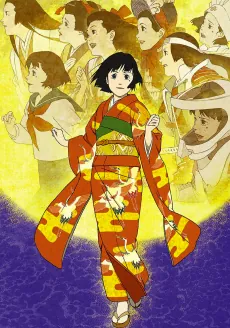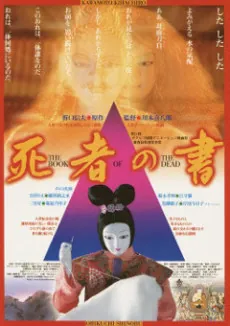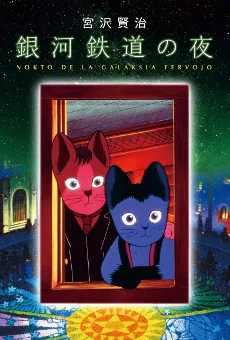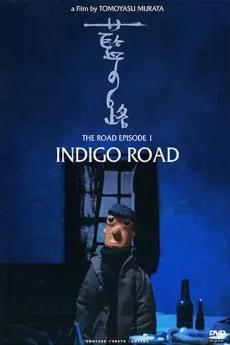
This one doesn't grab you, it waits for you. Four short films across six years, Scarlet Road, White Road, Indigo Road, and Lemon Road, each named for a color that does more thematic work than most shows manage with a full cour of dialogue. There's no spectacle here and no plot machinery to hide behind. Meaning arrives through motif, a held expression, a cut in a montage, and a score that carries scenes other anime would need a monologue to explain. First watch you feel something and can't name it. Second watch you catch the repeated image and realize the whole thing has been about grief the entire time. It's slept on because it asks for patience instead of demanding attention, and the people who found it don't shut up about it for a reason.
Michi, also known as the My Road series, collects four short films released between 2002 and 2008: Scarlet Road, White Road, Indigo Road and Lemon Road. Each one reflects on loss and mourning. Rather than relying on straightforward plot, the films convey their story through recurring motifs, the characters' expressions, music and montage. The layers of meaning are subtle, and the pieces reward more than one viewing to take in fully. Viewers drawn to quiet, poetic drama about grief will find plenty here to sit with.