
Anime Like MY SHELTER
MOVIE · 1 eps · 9 min/ep · Original · G - All Ages
Ranked #19,037 · 423 members
Psychological
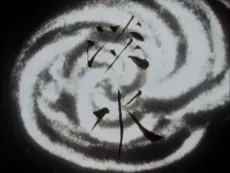
The film builds its weight in silence. Trees dissolve into abstraction, then resolve into the faces of people who lived through the bombs, and suddenly you understand what Aihara is doing: turning survival into something you can see. It's a documentary that refuses to explain itself, asking you to feel the distance between living through something and being able to speak about it at all.
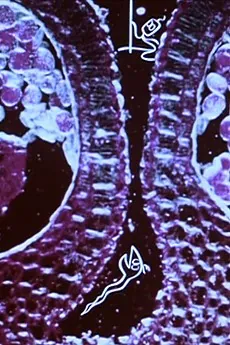
A follow-up to SHELTER, this psychological film returns once more to an air-raid shelter. Close-up images of trees are broken apart and pieced back together as abstract forms. Near the end, the film turns to images of elderly people who survived the war, pairing documentary material with abstract illustration in the way Aihara's work is known for.
// WATCH.NEXT
IF YOU LOVED MY SHELTER, WATCH THESE NEXT






not sure what you're in the mood for? browse 40 house lineups.


