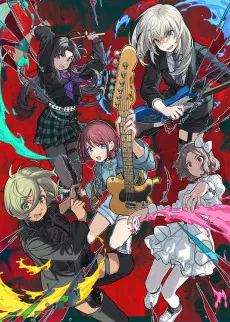
These seven girls aren't fighting to become idols. They're fighting to stay idols when the industry has already decided it doesn't need them. The show builds its weight not from flashy performances but from the quiet, specific moments: someone working a convenience store shift at 2 AM, the text that doesn't come back, the calculation of whether one more month is survivable. What makes it hit is that it refuses the fantasy, these aren't talented kids discovering their destiny, they're exhausted kids discovering whether their dream costs more than they have left to give.
Seven girls in Sendai have already pulled off the upset: Wake Up, Girls, managed by the small agency Green Leaves Entertainment, beat the national idol group I-1 club to win the Idol Festival. Now comes the harder part. Overnight success means little during an idol recession, and the group settles into a routine of steady, honest idol work. Meanwhile, three Sendai middle schoolers, Ayumi Hayashi, Otome Morishima and Itsuka Atsugi, find their wish to become idols growing stronger. The result is a music-focused slice-of-life story about what happens after the big win, as an established group keeps working and a new trio dreams of the stage.
WHERE TO WATCH
Streaming Wake Up, Girls! New Chapter legally, as of the last catalog refresh. Availability changes by region.
Crunchyroll