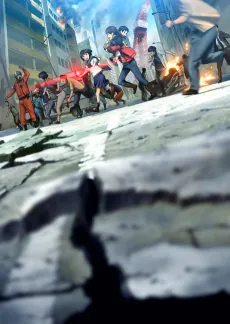
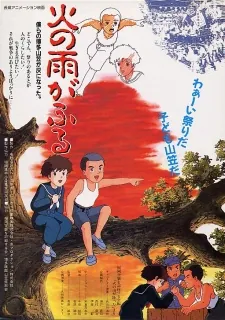
This one doesn't build dread, it just lets the water come. Made in 1989 for the thirtieth anniversary of the Isewan Typhoon, it carries the weight of a memorial rather than a disaster movie, which means no heroic rescues scored to swelling strings, no camera lingering on the wind for the thrill of it. Vera hit the Ise Bay coast in September 1959 with gusts past 300 km/h and left more than five thousand dead or missing, and the film animates that number back into people who had ordinary evenings before the sea came inland. The quiet is the whole technique. If you came up on the louder anti-war and disaster classics and assumed you'd found them all, this is the one nobody put on your list, and it will sit on your chest for a week.
On September 26, 1959, Super Typhoon No. 15, also called Vera or the Isewan Typhoon, strikes the coast of Japan with winds reaching 305 km/h. More than 5,000 people are left dead or missing and over 30,000 are hurt, making it the deadliest single typhoon to hit Japan in the twentieth century. Released in 1989 to mark thirty years since the disaster, this animated drama film is a memorial to those who died and to those who lived through it.