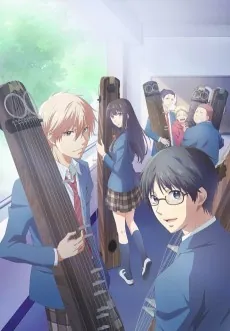
Kumiko finally stops waiting for someone else to lead and starts actually leading, which means watching her figure out how to keep 50 people moving in the same direction when half of them don't want to be there. The ensemble contest setup gives you what early Hibike! did best: small moments where individual players matter, tiny conflicts that feel real because they come from wanting the same thing but having different ideas about how to get there. The final performance stumbles when it matters most, rushing through what should have been the payoff, but by then you're already invested in whether these people can actually pull it off together.
Kumiko has just become head of the Kitauji High School brass band, and her term opens with the ensemble contest, known as Ancon. Apart from the summer competition, this event has several players perform together in one small group, which has its own appeal. A school preliminary round decides which team goes on to the Kyoto prefectural tournament, but with more than fifty members, the club runs into all sorts of trouble. A music drama special with a slice of life feel.
WHERE TO WATCH
Streaming Tokubetsu-hen Hibike! Euphonium: Ensemble Contest legally, as of the last catalog refresh. Availability changes by region.
Crunchyroll